Skip to content

Artificial Intelligence A Modern Approach Third Edition Ppt -

Your Android observatory with real-time sky view, AR, telescope control, and the only astronomy app that computes your local horizon from topographic data.

Discover. Explore. Master.
Get it on Google Play
Mobile Observatory Dashboard
200,000+ Installs Across All Versions
4.7 Stars (4,800+ Ratings)
14+ Years of Development
5 Languages

All in One App

Everything you need for astronomy, in your pocket

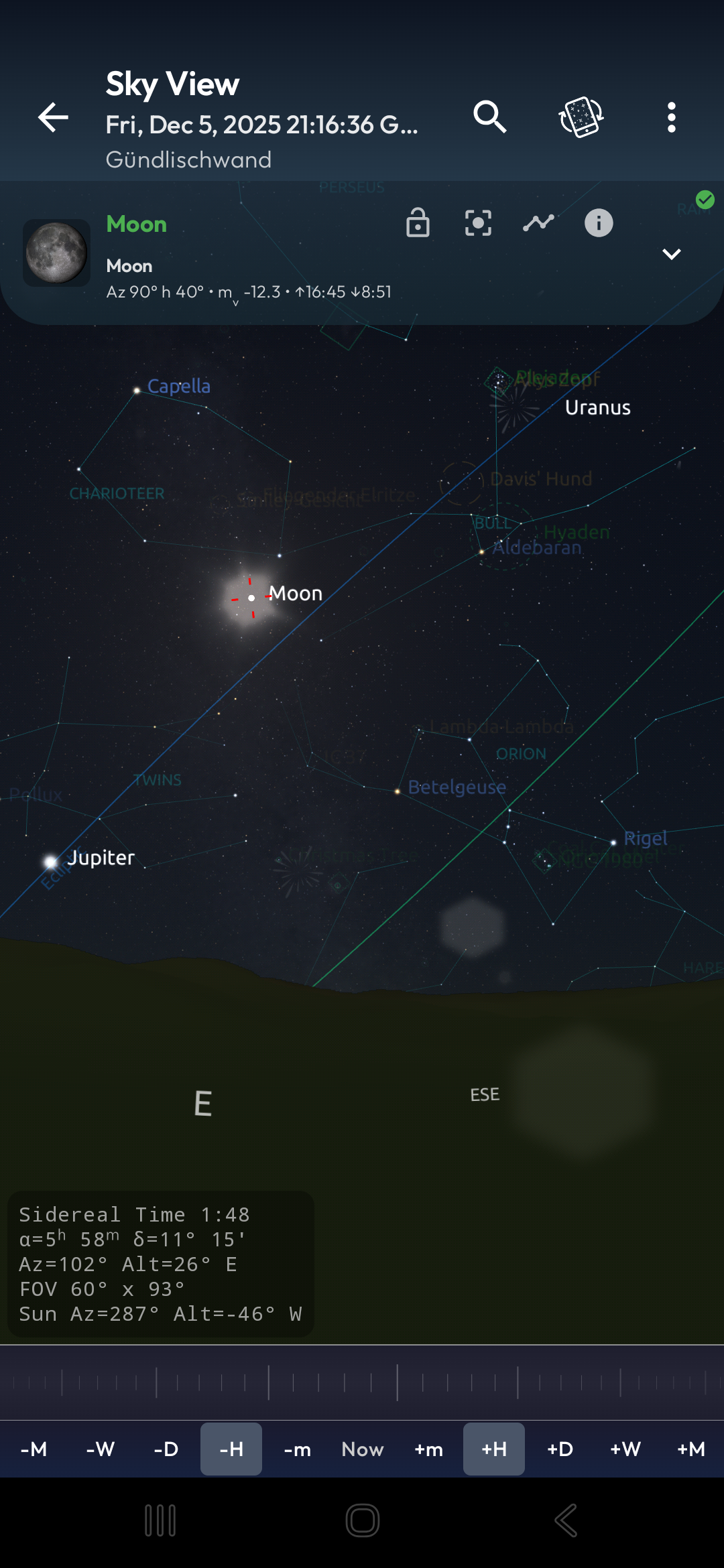
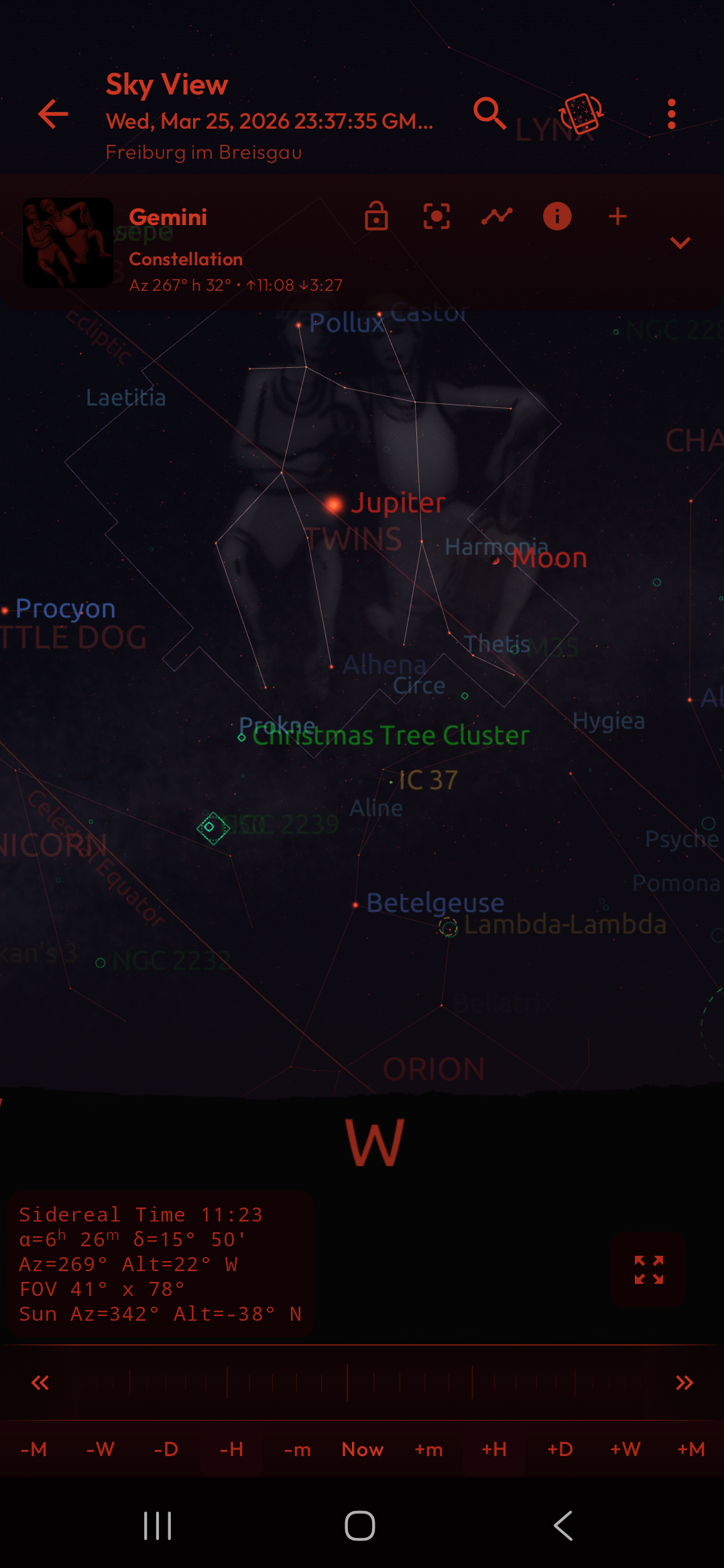
AR Sky View

Point your phone and identify stars, planets, and constellations live

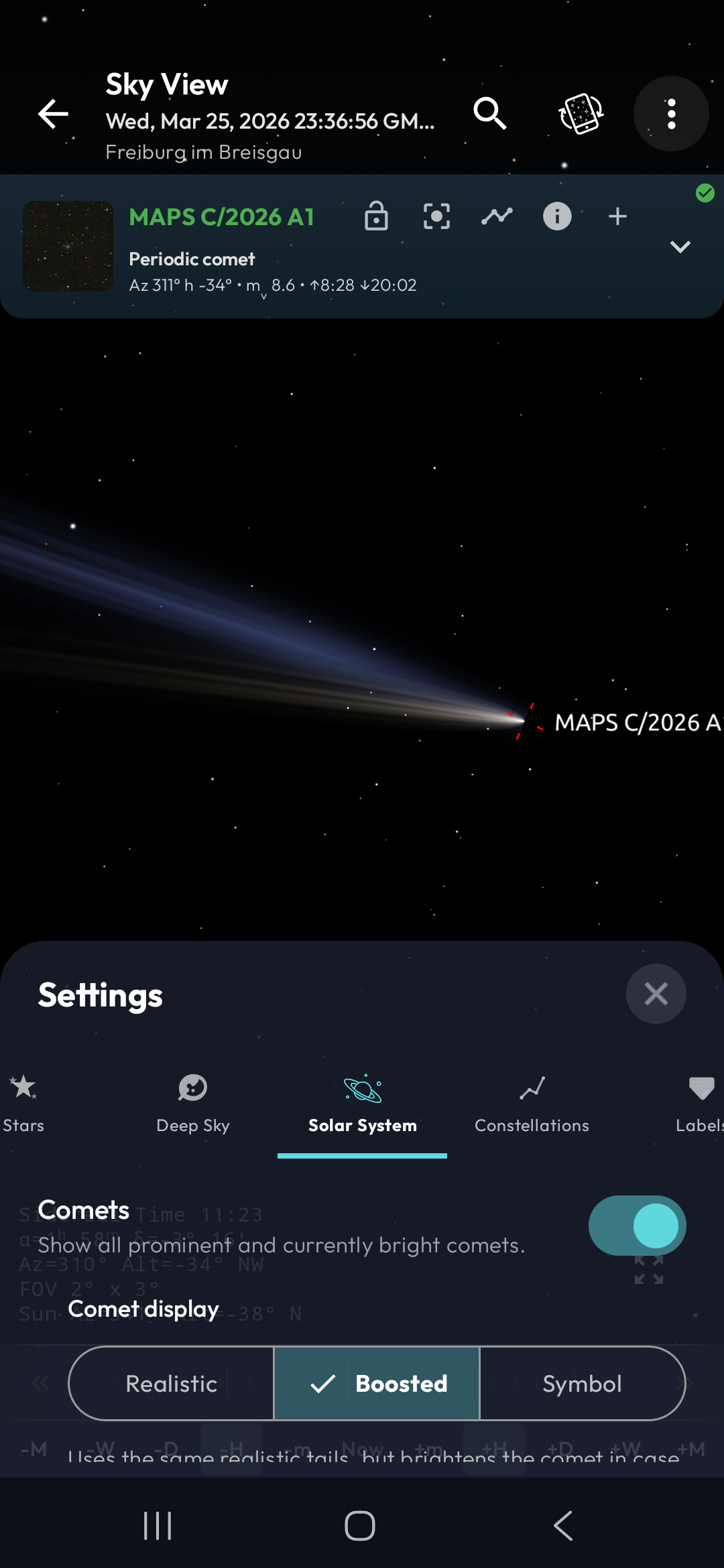
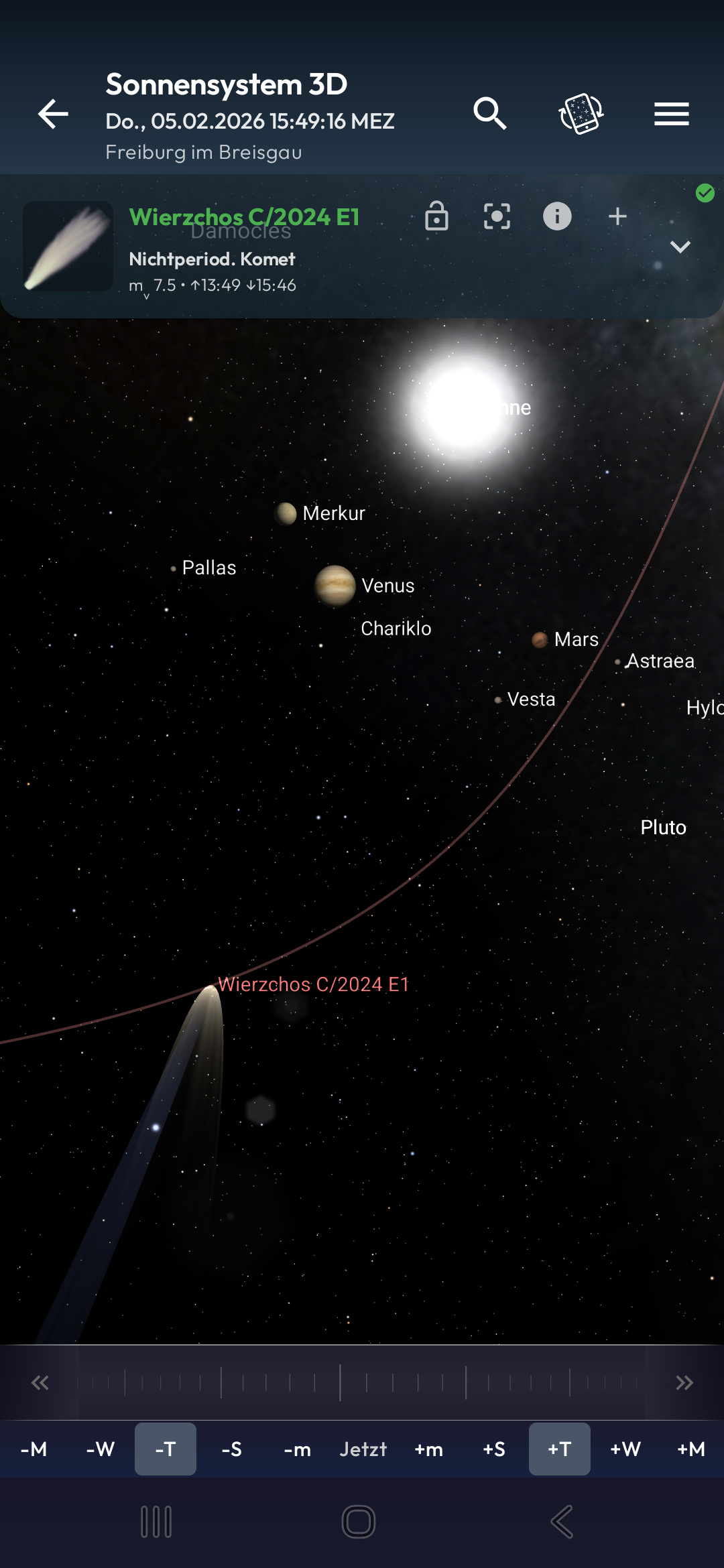
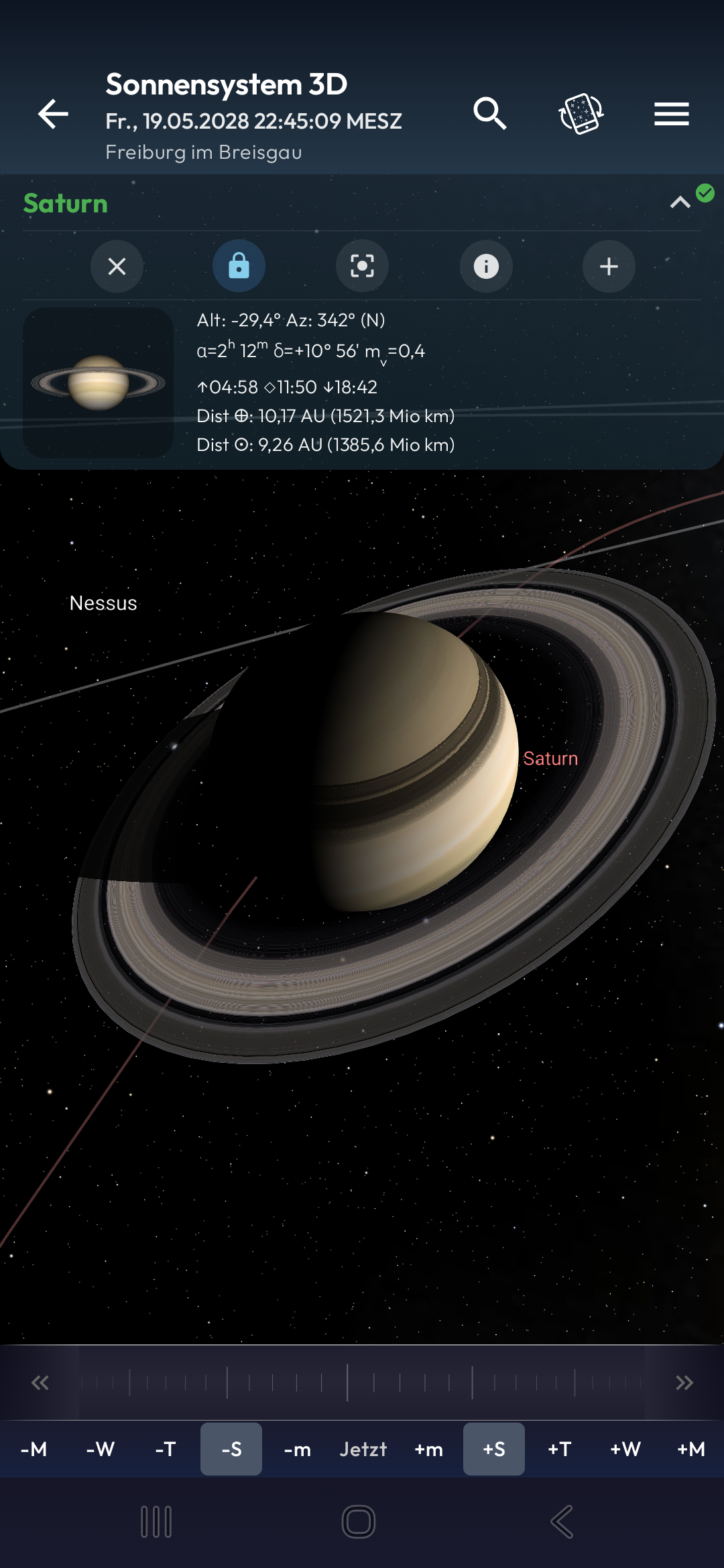
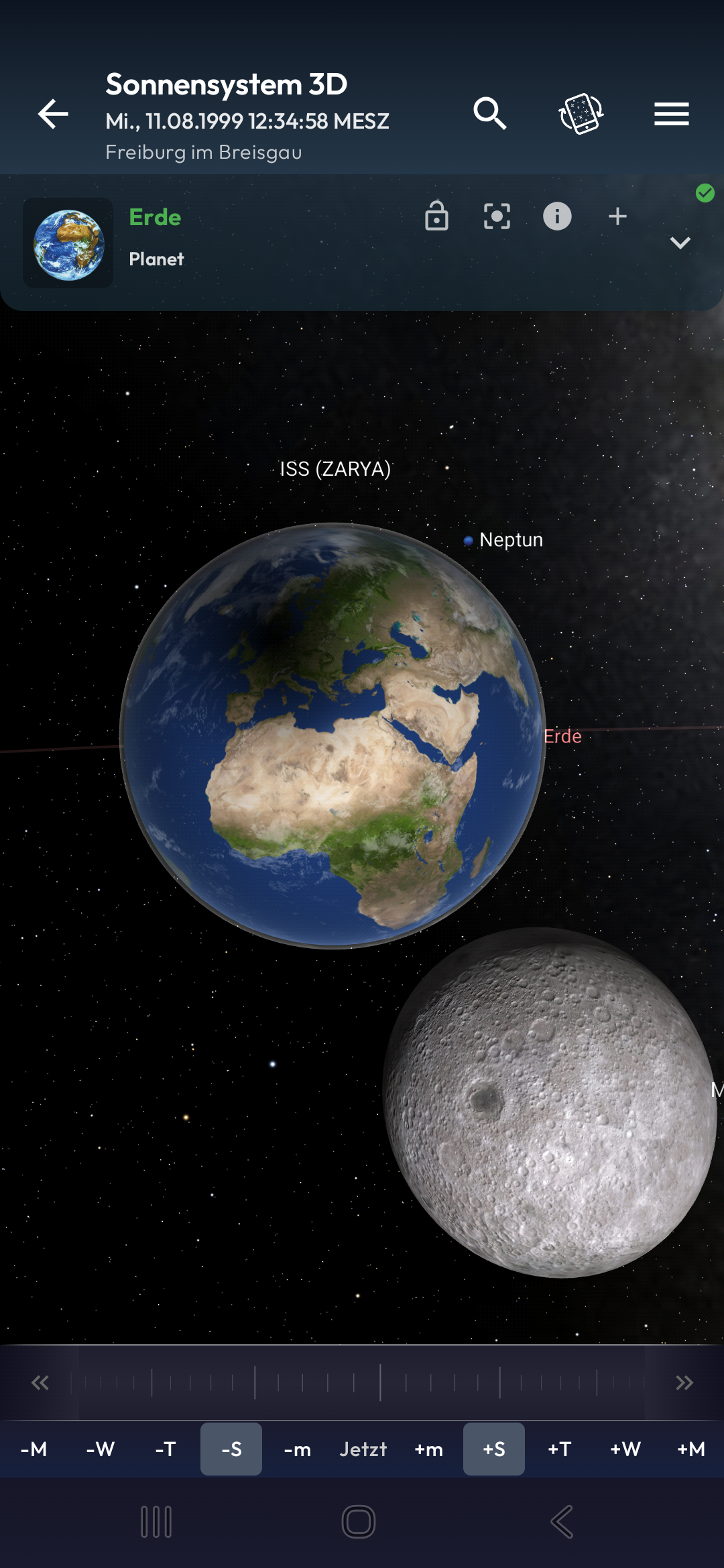
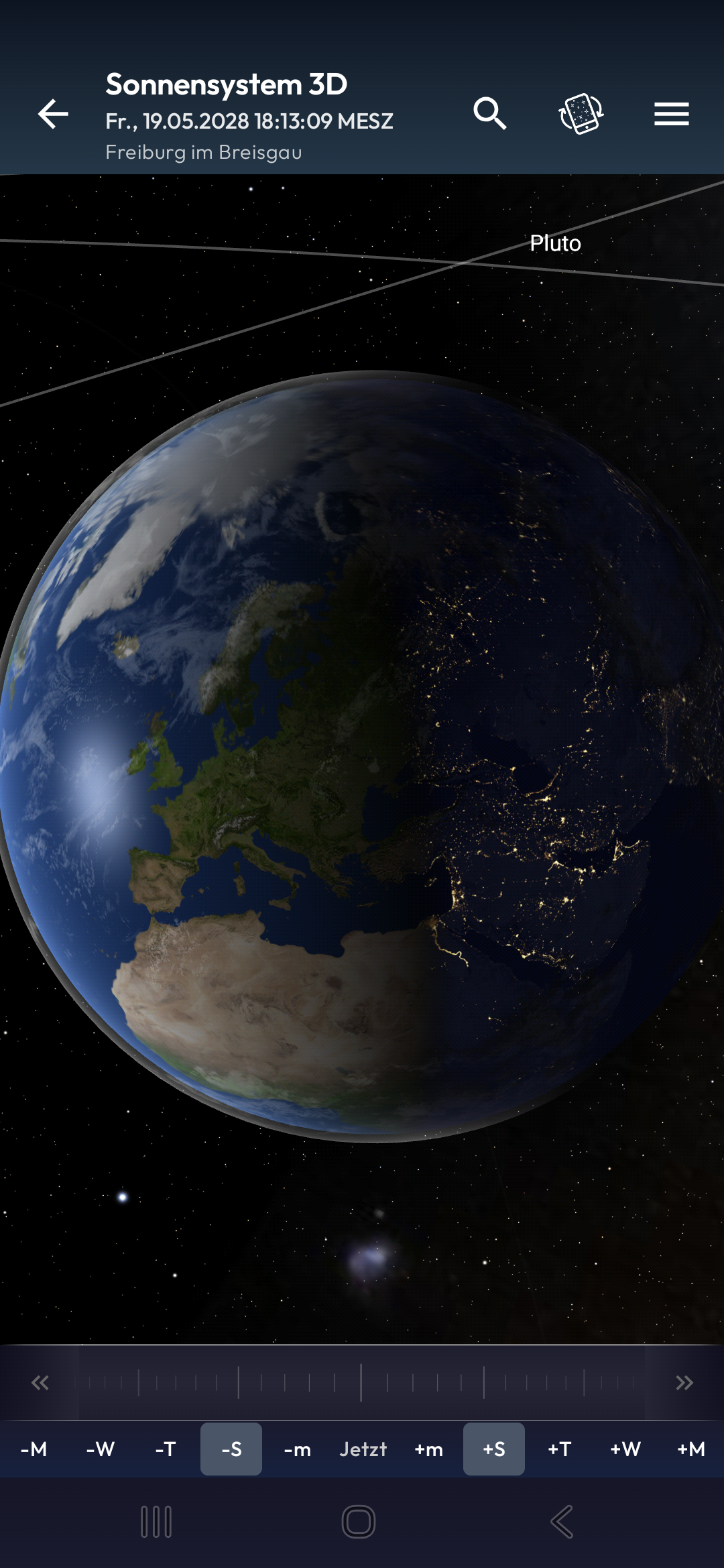
3D Solar System

Explore planets, moons, and comets in an interactive orrery

Satellite Tracking

ISS passes, Starlink trains, and 10,000+ satellites in real-time

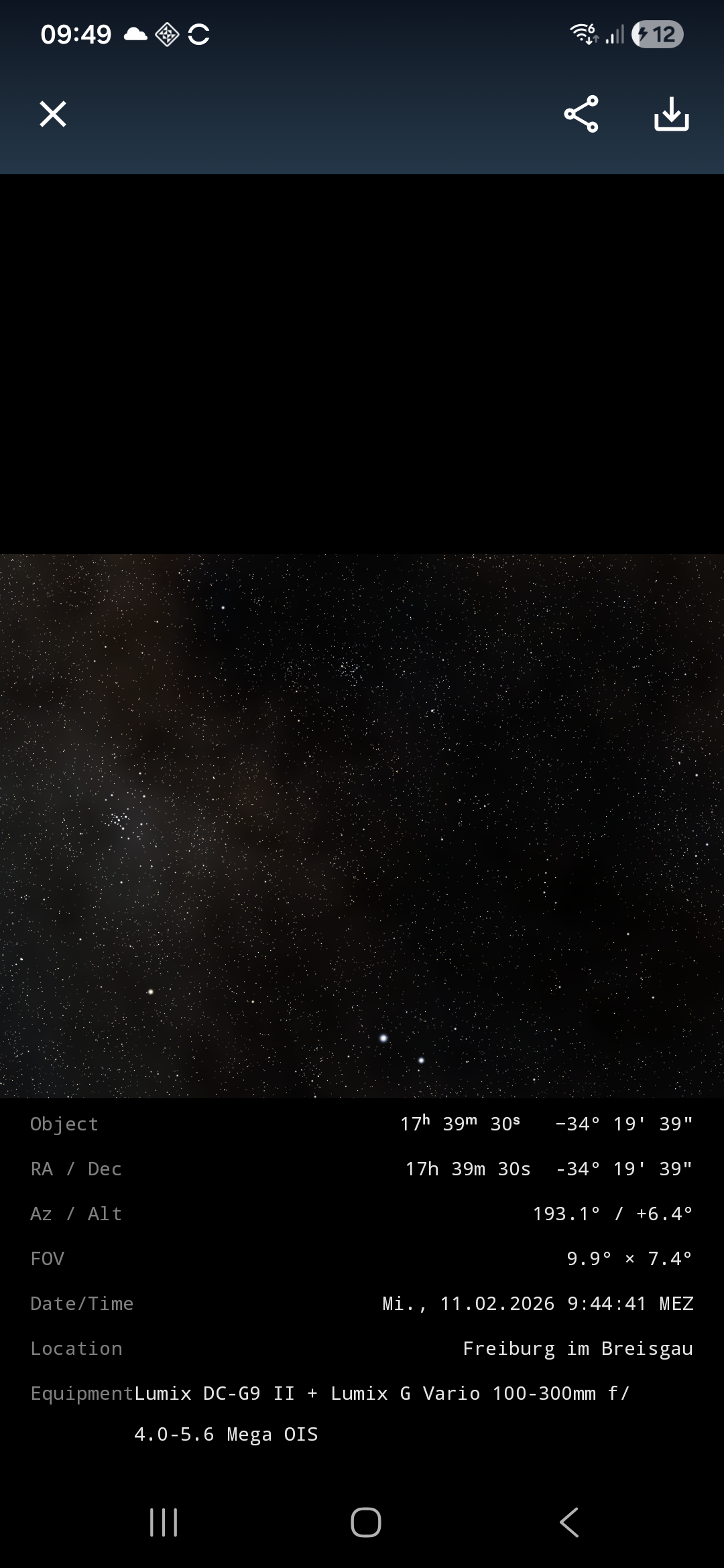
Deep Sky Catalog

2,500+ nebulae, galaxies, and star clusters with photos and details

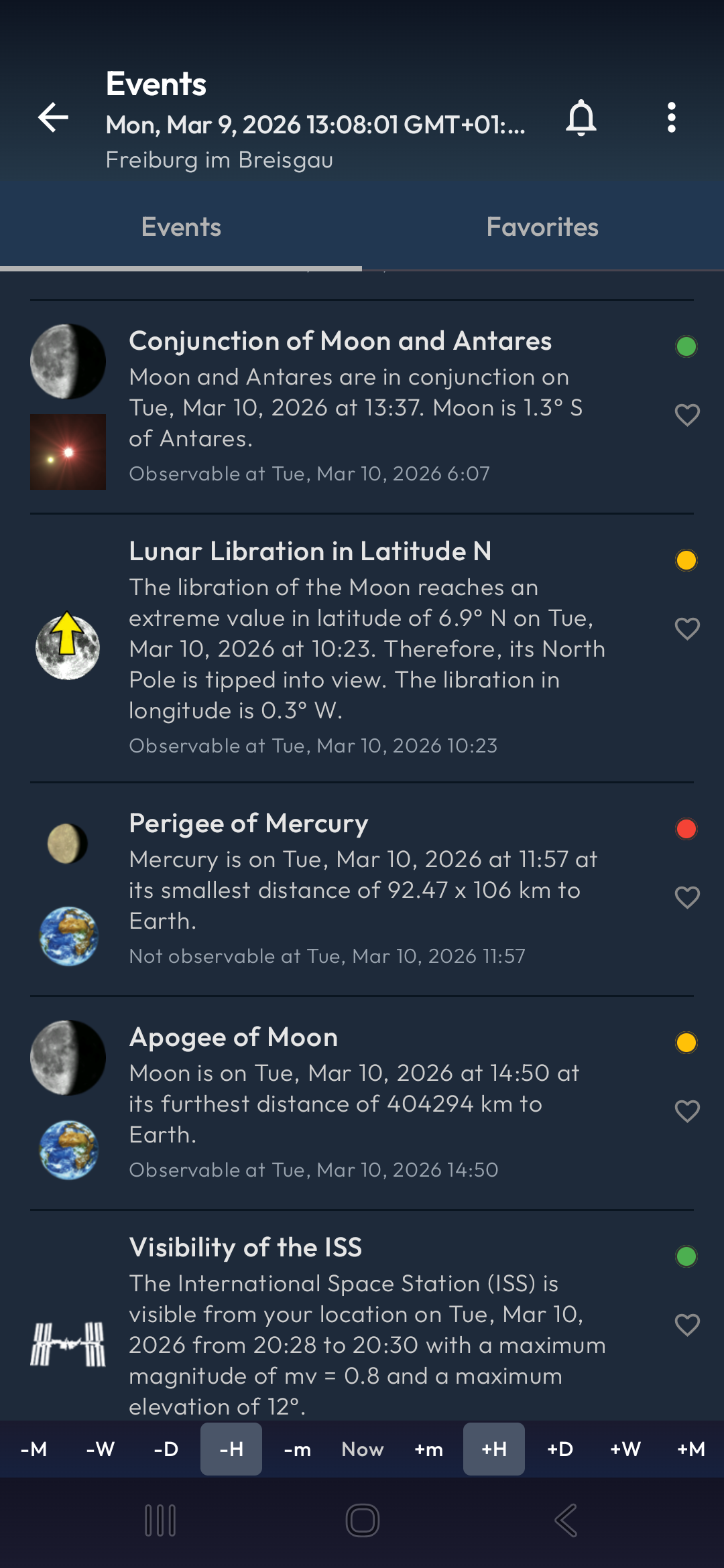
Event Calendar

50+ event types including eclipses, conjunctions, occultations, transits, and more

Smart Notifications

Aurora alerts, solar flares, ISS passes, and event reminders

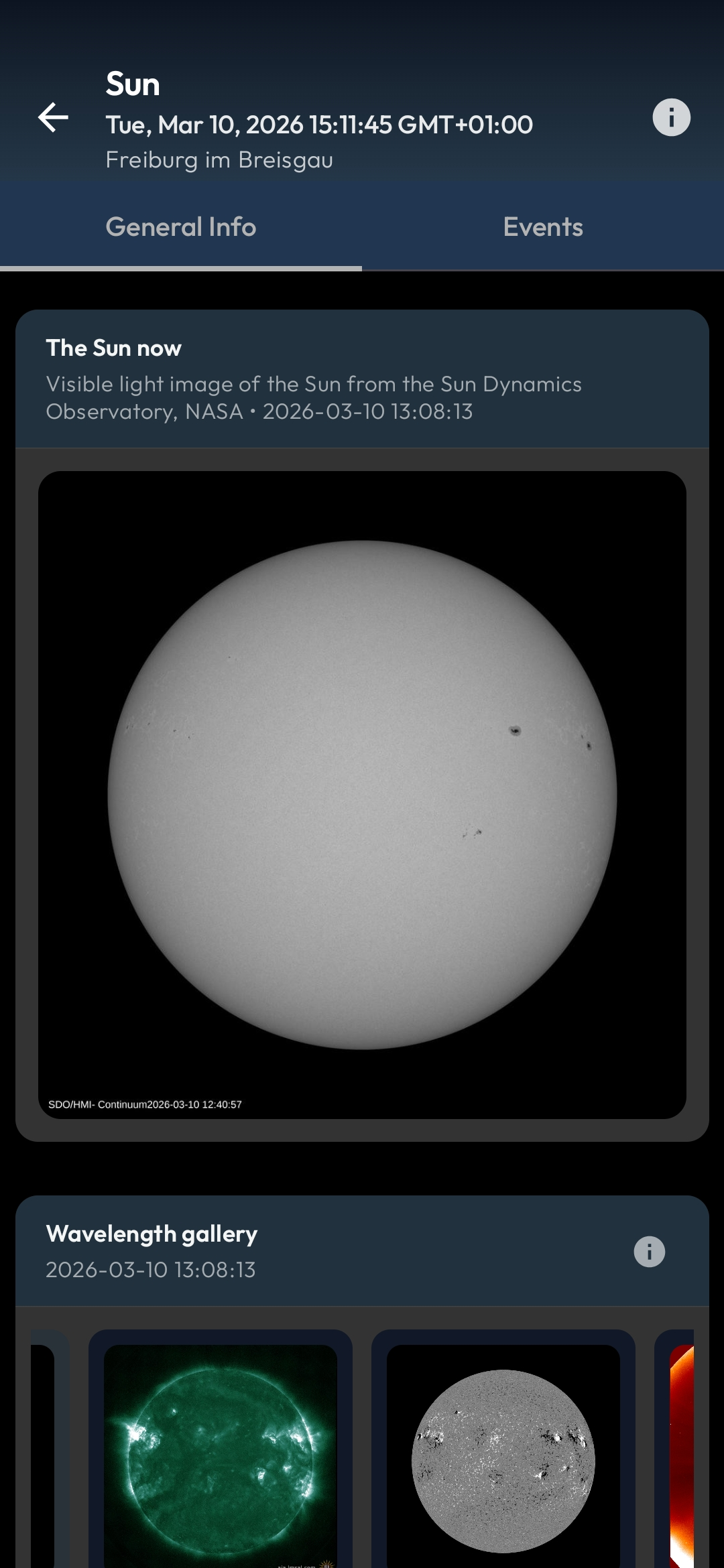
Live Space Weather

Aurora forecast, Kp-index, solar flares, and NASA SDO images

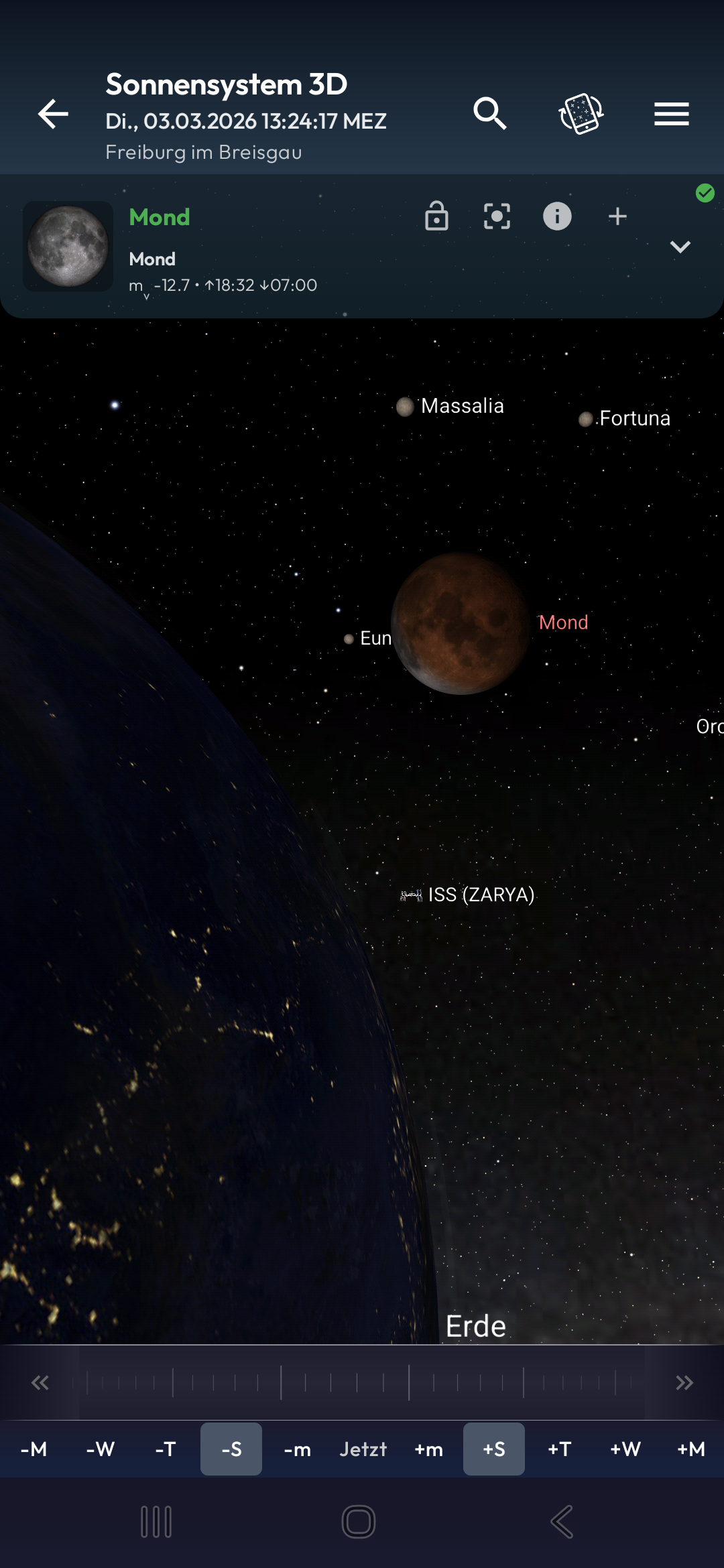
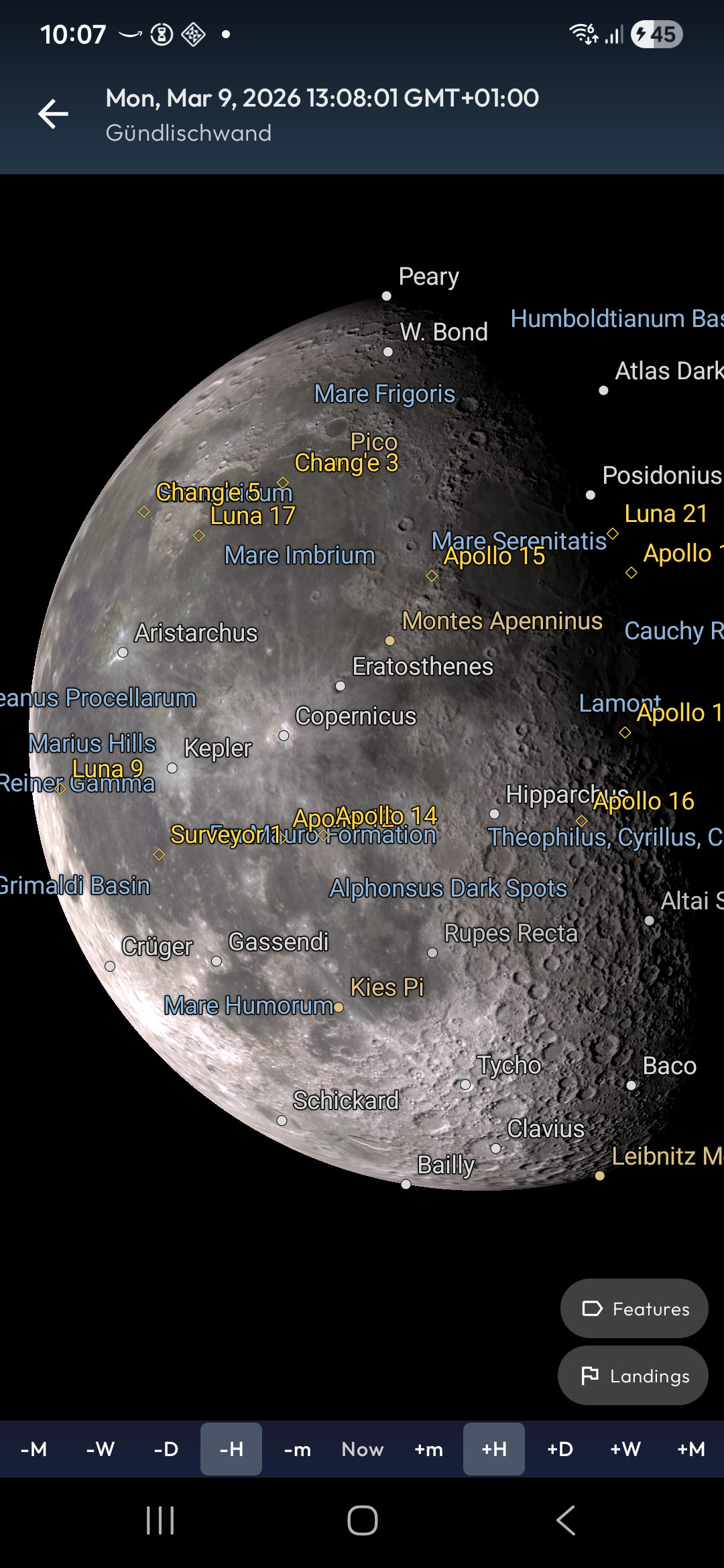
Moon & Sun

Phases, eclipses, lunar features, sunspot data, and rise/set times

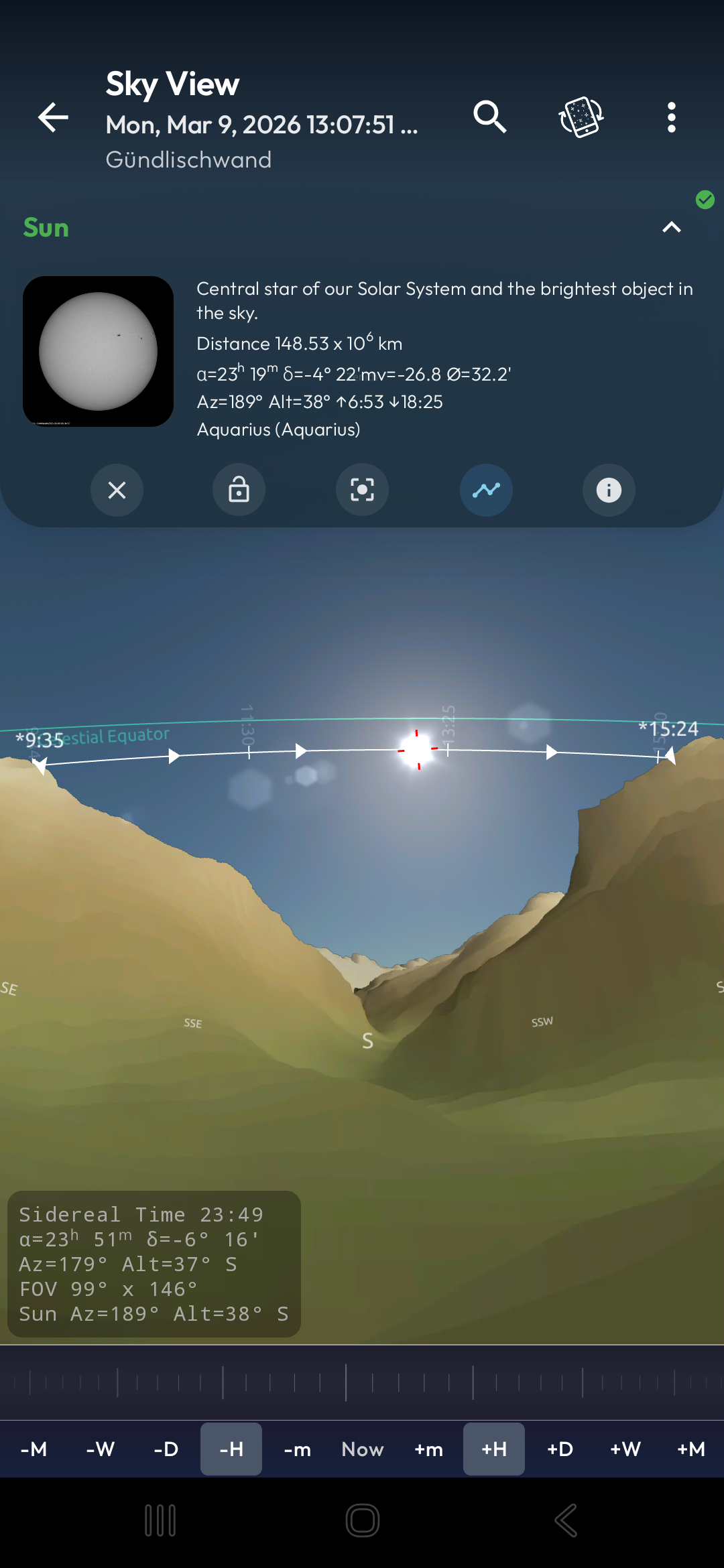
Topographic Horizon

Real terrain profiles from NASA data for precise rise/set times

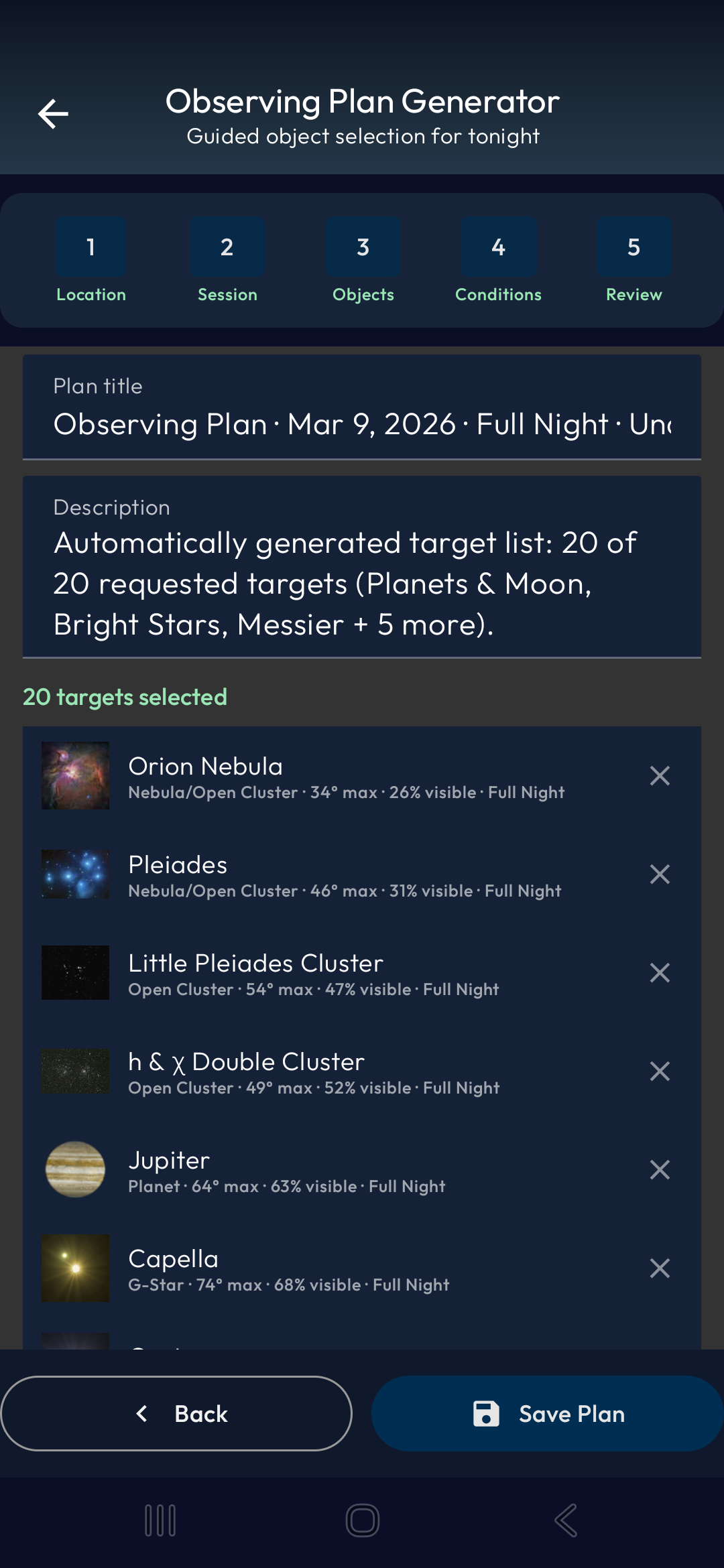
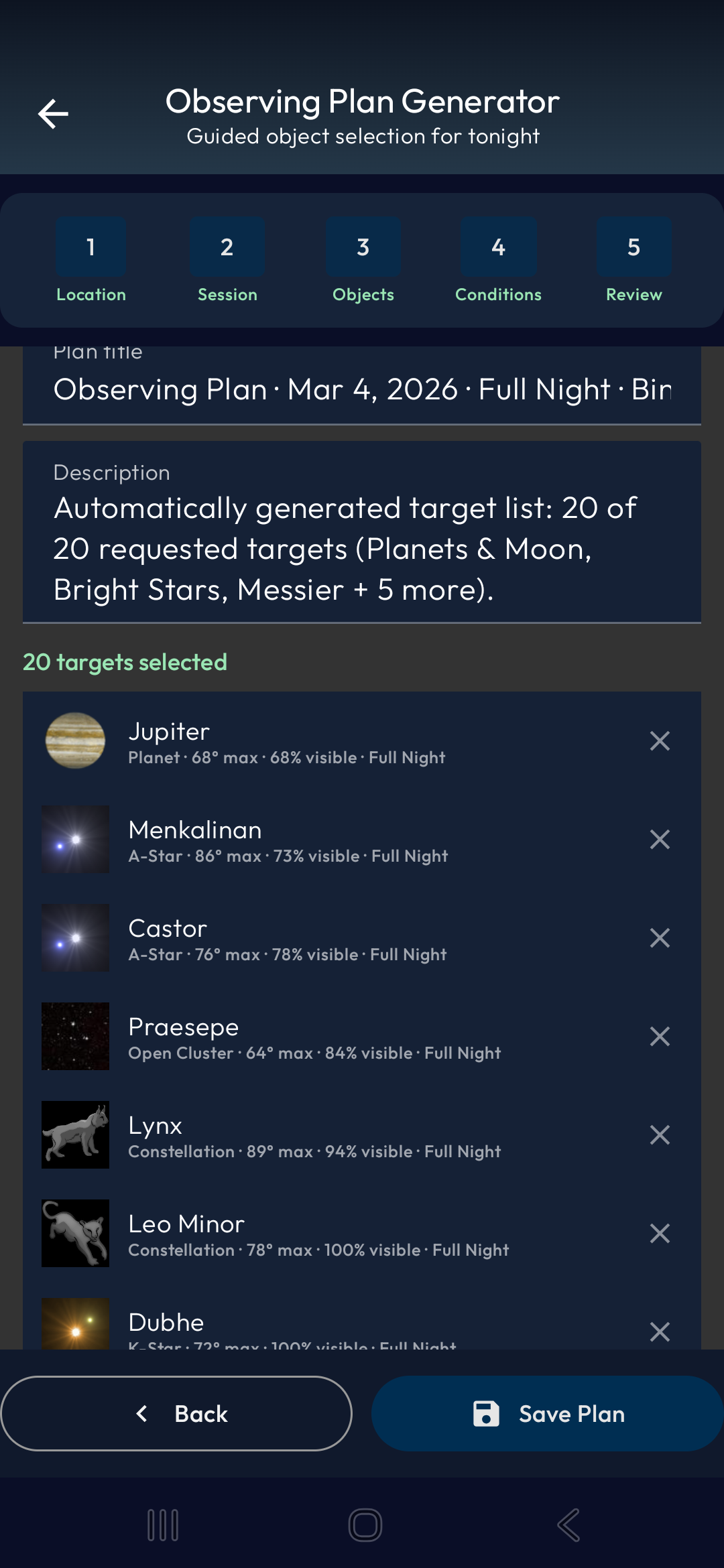
Observing Planner

Auto-generated session plans based on your equipment and location

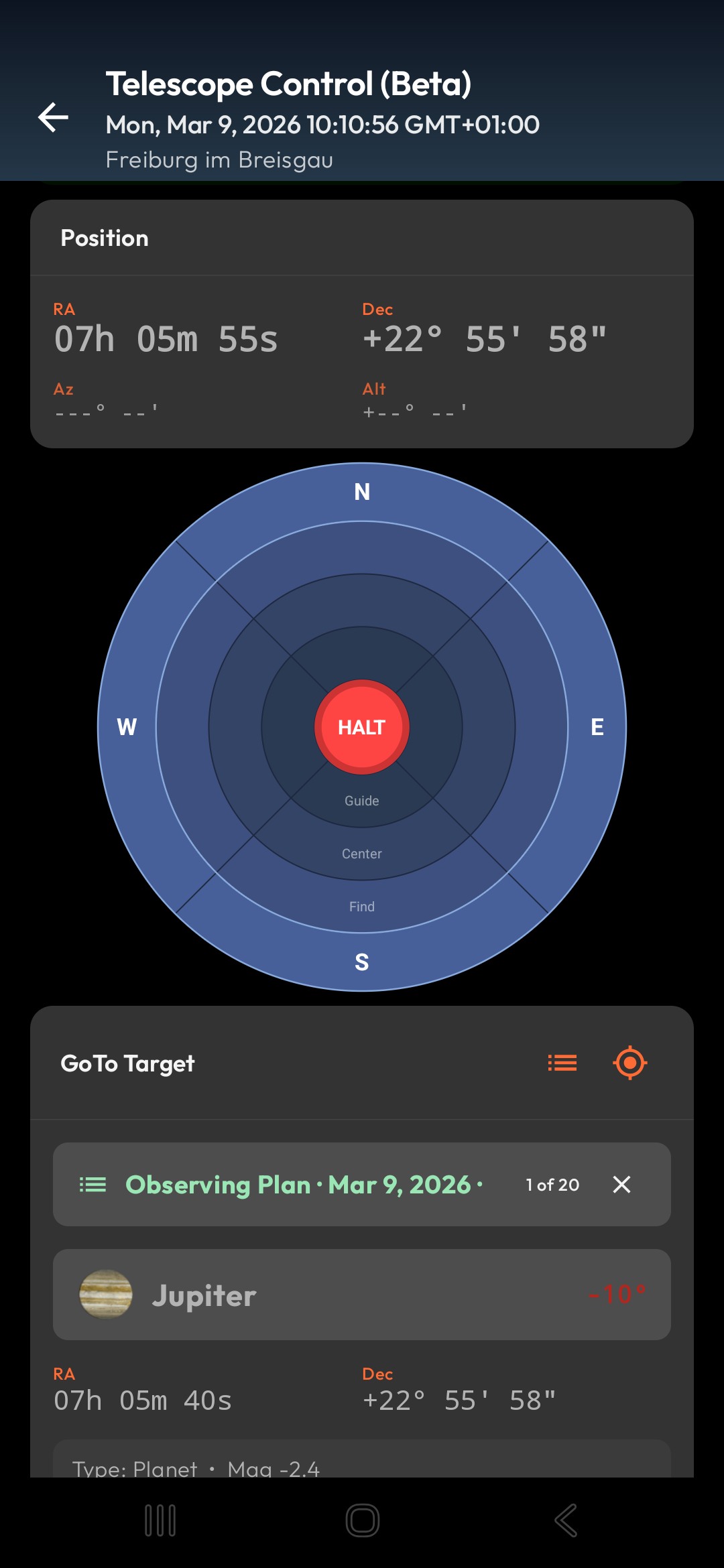
Telescope Control Beta

Connect your GoTo telescope and slew to any object with a single tap

2.5M+ Stars

Hipparcos, SAO, and extended catalogs with detailed star data

Get it on Google Play

Free download with optional Pro upgrade

Screenshots

See Mobile Observatory in action

How It Works

From first launch to expert observer

1
Discover the Sky with Real Terrain

Discover

Point your phone at the sky and see stars, planets, and the Sun's path over your real 3D terrain.

2
Explore Astronomical Events

Explore

Browse upcoming conjunctions, eclipses, ISS passes, and thousands of celestial objects with detailed data.

3
Plan Your Observing Session

Master

Generate optimized observing plans, control your telescope, and log your observations like a pro.

Get it on Google Play

Start exploring tonight

Dive Into the Details

Scroll through real app screens — tap to enlarge

Sun & Solar Activity
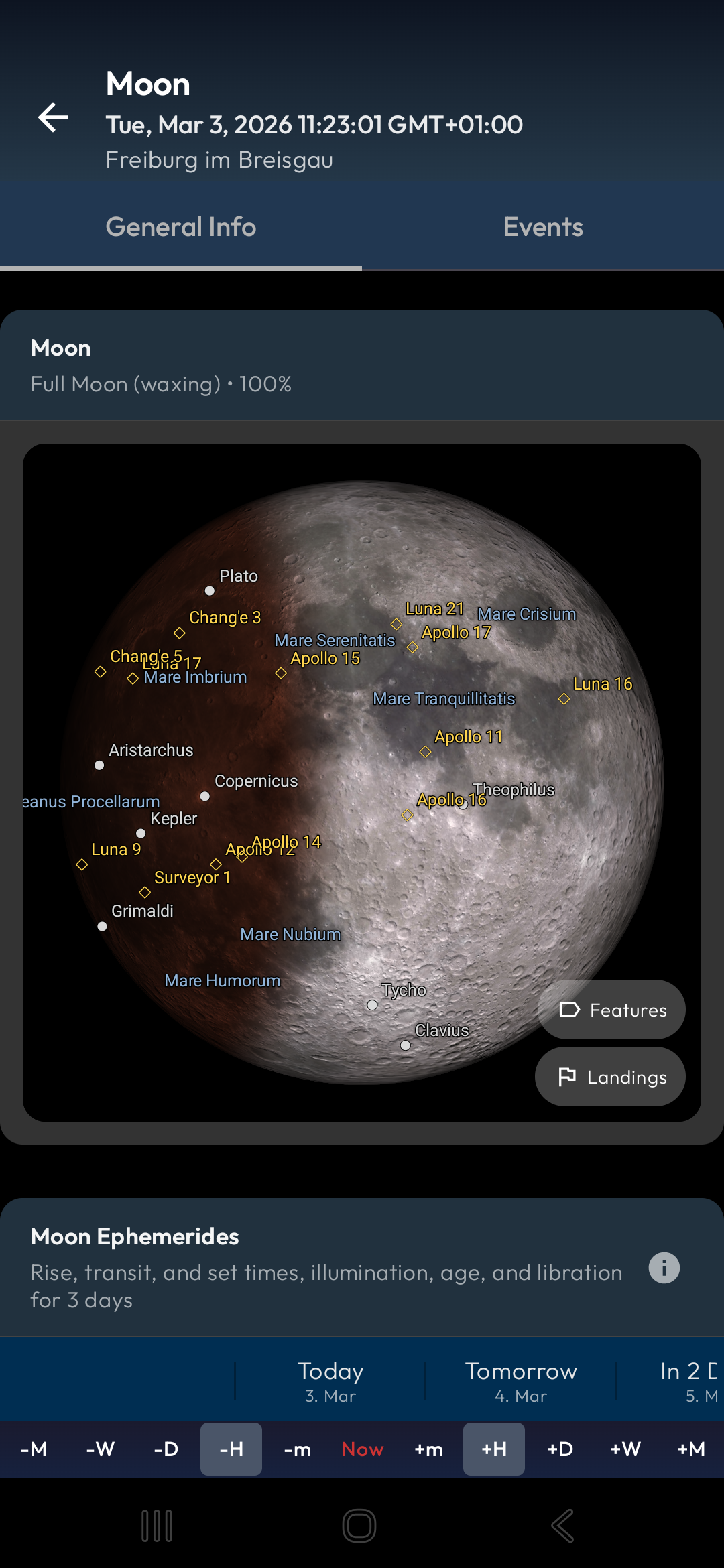
Moon Details
Moon
Lunar Eclipse Details
Lunar Eclipse
Jupiter Details
Jupiter
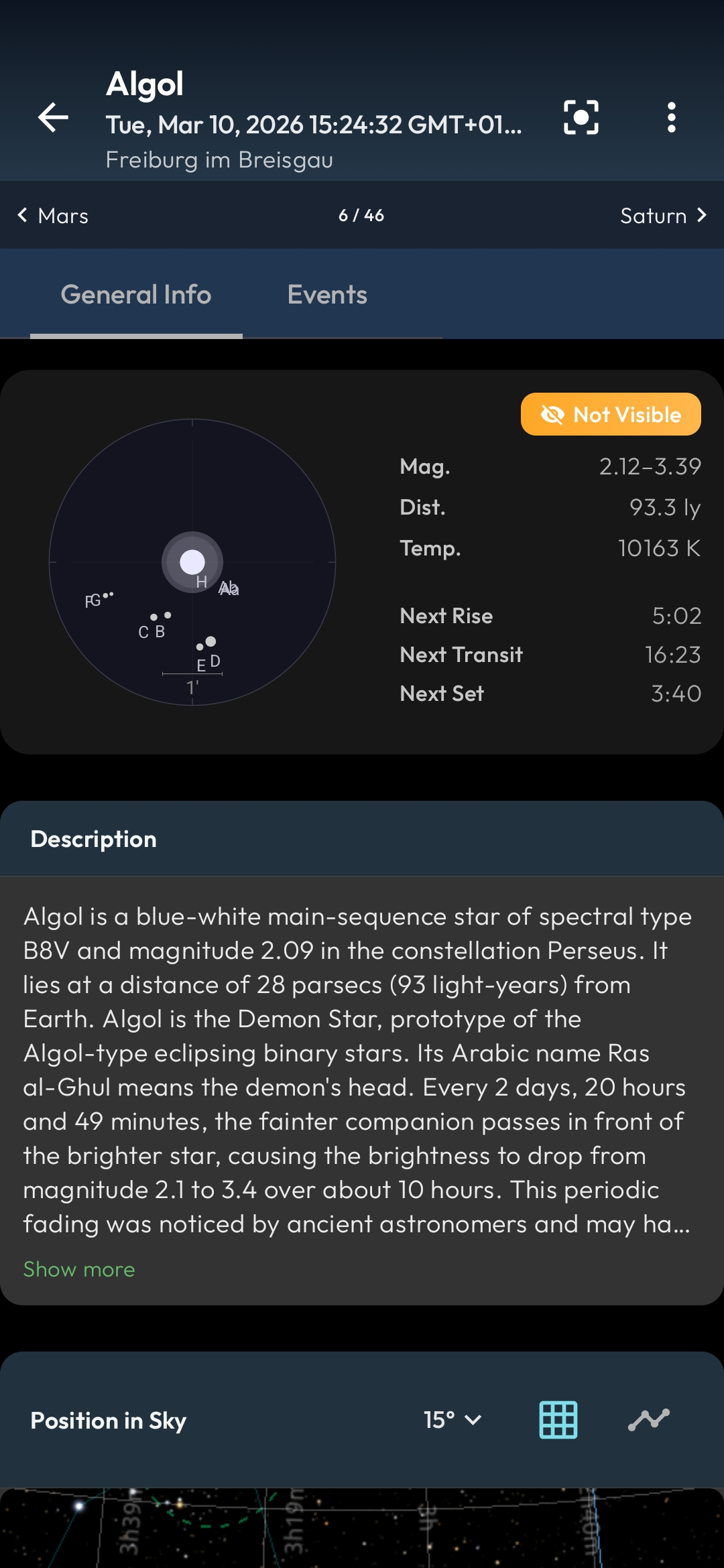
Algol Variable Star
Algol — Variable Star
Twilight
Twilight

Artificial Intelligence A Modern Approach Third Edition Ppt -

By knowing where to look—from the official Berkeley site to university repositories and community hubs—you can unlock a world of knowledge. These slides are more than just lecture aids; they are structured guides to the most important ideas in modern computing. Explore them, adapt them, and most importantly, learn from them.

This public link is valid for 7 days and shares a thread, including any personal information you added. This link or copies made by others cannot be deleted. If you share with third parties, their policies apply. Can’t copy the link right now. Try again later.

The best PPTs start with "Intelligent Agents" (Chapter 2). Slides should visually break down:

: Many top-tier universities (like Berkeley, Stanford, or MIT) use this text. Professors often post their modified PPT versions publicly on their course websites. artificial intelligence a modern approach third edition ppt

: Building agents that use propositional and first-order logic to represent facts about the world.

Russell and Norvig often provide lecture slides used at Berkeley and Stanford.

by Stuart Russell and Peter Norvig involves evaluating how well the complex concepts from this "gold standard" textbook are translated into a visual format. Content Overview By knowing where to look—from the official Berkeley

: Every task environment must be specified by its properties: P erformance Measure: Metrics for success. E nvironment: The external world the agent operates in. A ctuators: Tools the agent uses to change the environment. S ensors: Tools the agent uses to perceive the environment.

: Deeper coverage of probabilistic reasoning, contingent planning, and machine learning for large datasets. Community-Contributed Slides

: Expands the shallowest nodes first; complete and optimal if step costs are equal. This public link is valid for 7 days

If you need help , generating speaker notes for one of these modules, or translating algorithmic pseudo-code into Python , let me know how you would like to proceed! Share public link

user wants a long article for the keyword "artificial intelligence a modern approach third edition ppt". This likely refers to PowerPoint (PPT) presentations related to the textbook "Artificial Intelligence: A Modern Approach" (AIMA) by Russell and Norvig, third edition. I need to gather information about the textbook, its structure, and especially any available PPT resources for teaching or learning from it. I will follow the search plan as outlined. search results show a variety of resources. The official AIMA website at aima.cs.berkeley.edu has an instructor's page with lecture slides. There are also many slides from various universities and platforms like SlideShare, CSDN, etc. The user likely wants a comprehensive article about these PPT resources. I need to synthesize this information into a long-form article that covers the textbook's significance, the availability of PPTs, where to find them, how to use them effectively, and perhaps some alternatives. I will open the official AIMA instructor's page and some of the other relevant links to gather detailed information. search results provide a good amount of information. The official AIMA website page is for the second edition, not the third. The CSDN page describes a large 722-page PPT resource. The USTC site has slides for many chapters. The search results also include links to SlideShare and other platforms. I need to write a comprehensive article. The article should cover the textbook's significance, the availability of PPTs, where to find them (official sources, university repositories, platforms like SlideShare and CSDN), how to use them effectively, and possibly some alternatives. I will structure the article with an introduction, sections on the textbook's importance, the value of PPTs, where to find them, and a conclusion. I will cite the relevant sources. Now, I will write the article. textbook "Artificial Intelligence: A Modern Approach" (AIMA) by Stuart Russell and Peter Norvig has been the gold-standard resource in the field for decades, educating generations of AI professionals and researchers at over 1,200 universities across more than 100 countries. For many educators and students, the official PowerPoint (PPT) lecture slides have become an indispensable tool for bringing this comprehensive text to life. This article serves as your complete guide to the AIMA third-edition PPTs—detailing what they are, their structure, where to find them, and how to use them effectively.

Core Features

Tools for astronomers, astrophotographers, and anyone who looks up

3D Solar System

Explore the solar system in an interactive 3D view

  • All planets, dwarf planets, and major moons
  • 1,000+ comets with realistic orbits
  • Time-travel to any date in history
  • Accurate positions and orbital mechanics

Satellite Tracking

Track the ISS, Starlink, and thousands more

  • 10,000+ satellites with live positions
  • ISS pass predictions for your location
  • Starlink train visibility alerts
  • Iridium flares and bright satellite passes

AR Sky View & Time-Lapse

Point your camera and explore the sky

  • Identify stars, planets, constellations live
  • Time-lapse animation with swipe control
  • Watch planets cross the sky
  • Track satellite passes in real-time

Live Space Weather

Real-time aurora and solar activity dashboard

  • Aurora oval forecast with hemisphere view
  • Planetary Kp-index for geomagnetic storms
  • GOES X-ray flux and solar flare chart
  • Hourly NASA SDO solar images

Tonight's Best

Personalized recommendations for your location

  • Best objects visible tonight
  • Based on your actual horizon
  • Filter by object type and brightness
  • Optimal viewing times included

Comprehensive Catalogs

Massive astronomical database at your fingertips

  • 2.5 million stars (optional download)
  • Complete Messier, NGC, Caldwell catalogs
  • 60,000+ asteroids & 1,000+ comets
  • Starlink satellites & ISS

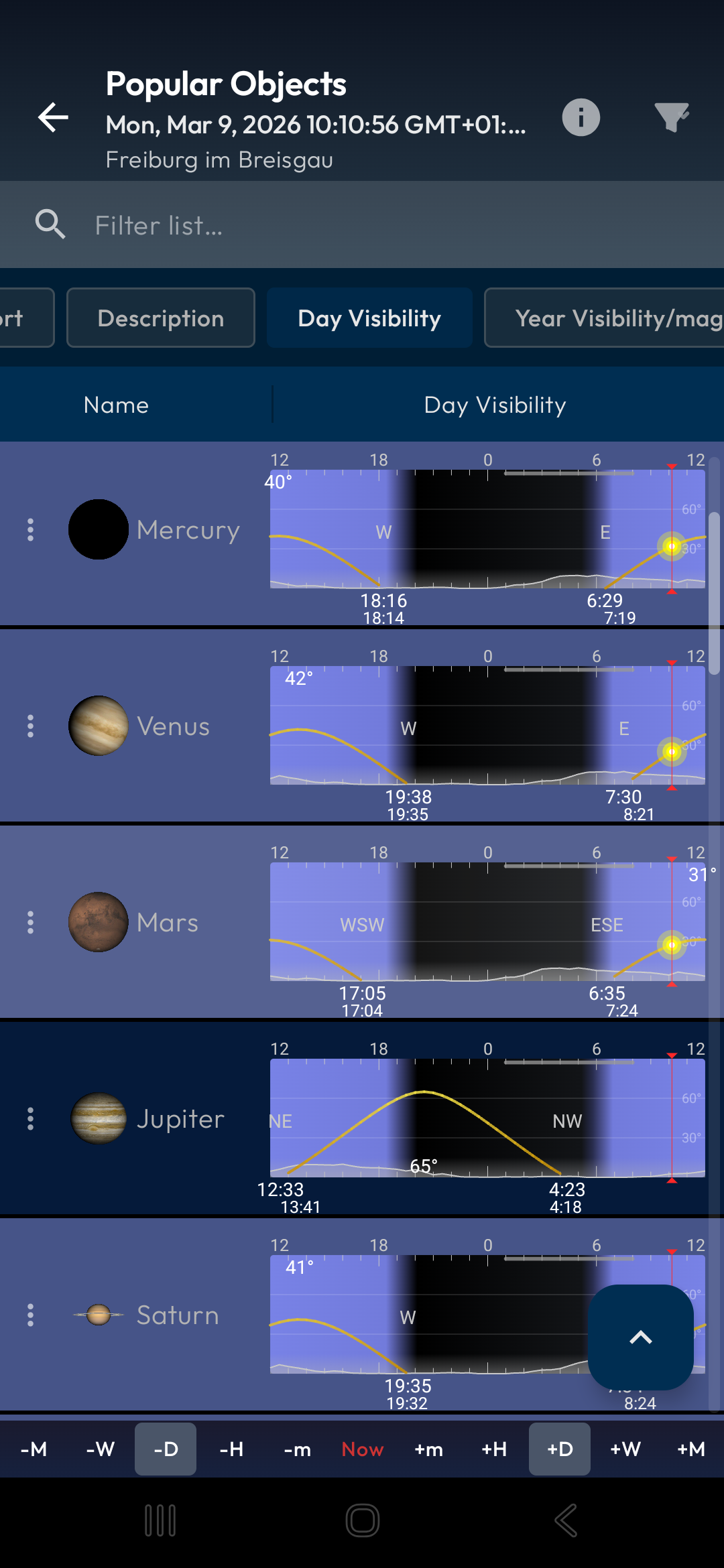
Planning Tools

Plan your observing sessions in advance

  • Rise/set/transit against real horizon
  • Automatic visibility reports
  • Favorite locations with easy access
  • Twilight times and day length

Solar & Lunar

Detailed Sun and Moon information

  • Live Sun imagery and sunspot data
  • Moon phases with realistic rendering
  • Lunar librations and orbital data
  • Solar & lunar eclipse predictions

Recent Google Play Reviews

Fresh 5-star feedback from astronomers around the world

★★★★★
"This app is simply fantastic and keeps getting better. It offers a huge variety of features, making it the most professional app in the Play Store."
Google Play User
December 2025
★★★★★
"Version 4 is amazing: intelligently programmed, very well organized. Thank you for this excellent work!"
Google Play User
November 2025
Get it on Google Play

Trusted by a global astronomy community

The Recommended Way to Start

New users should begin with the freemium app, then unlock premium inside the app when they are ready. If you prefer buying up front, Mobile Observatory Pro remains available as the classic paid edition.

🚀

Mobile Observatory Pro

Classic paid edition for users who prefer a separate upfront purchase

  • One-time purchase directly on Google Play
  • All premium features unlocked from the start
  • Same lifetime premium access as the one-time purchase inside Mobile Observatory
  • Separate app for users who prefer buying up front
  • Existing Pro users can continue using it
Get Mobile Observatory Pro Prefer buying up front? Get Mobile Observatory Pro

Experience the Realistic Sky Rendering

About the Developer

The story behind Mobile Observatory

Wolfgang Zima

Wolfgang Zima

Creator of Mobile Observatory

Wolfgang Zima spent years as a professional astronomer before finding his way into software development. After completing his PhD in Astronomy at the University of Vienna, he worked as a postdoctoral researcher at the Institute for Astronomy at KU Leuven in Belgium for five years. It was there that he discovered a passion for scientific software — writing tools for analyzing spectra of pulsating stars and building a CCD image simulator for ESA's PLATO mission, a space telescope searching for Earth-like exoplanets.

Mobile Observatory started almost by accident: when his Nokia phone broke on a mountain biking trip in late 2010, Wolfgang got his first Android phone and was surprised that no good astronomy apps existed. So he built one. First released in January 2011, Mobile Observatory has since grown into one of the most comprehensive astronomy apps for Android and has been continuously improved for well over a decade.

Wolfgang lives in Freiburg, Germany, where he works as a Senior Mobile Developer at sevdesk. He continues to develop Mobile Observatory with the same enthusiasm as on day one — now with the help of modern AI tools that let him bring new features to life faster than ever.

By knowing where to look—from the official Berkeley site to university repositories and community hubs—you can unlock a world of knowledge. These slides are more than just lecture aids; they are structured guides to the most important ideas in modern computing. Explore them, adapt them, and most importantly, learn from them.

This public link is valid for 7 days and shares a thread, including any personal information you added. This link or copies made by others cannot be deleted. If you share with third parties, their policies apply. Can’t copy the link right now. Try again later.

The best PPTs start with "Intelligent Agents" (Chapter 2). Slides should visually break down:

: Many top-tier universities (like Berkeley, Stanford, or MIT) use this text. Professors often post their modified PPT versions publicly on their course websites.

: Building agents that use propositional and first-order logic to represent facts about the world.

Russell and Norvig often provide lecture slides used at Berkeley and Stanford.

by Stuart Russell and Peter Norvig involves evaluating how well the complex concepts from this "gold standard" textbook are translated into a visual format. Content Overview

: Every task environment must be specified by its properties: P erformance Measure: Metrics for success. E nvironment: The external world the agent operates in. A ctuators: Tools the agent uses to change the environment. S ensors: Tools the agent uses to perceive the environment.

: Deeper coverage of probabilistic reasoning, contingent planning, and machine learning for large datasets. Community-Contributed Slides

: Expands the shallowest nodes first; complete and optimal if step costs are equal.

If you need help , generating speaker notes for one of these modules, or translating algorithmic pseudo-code into Python , let me know how you would like to proceed! Share public link

user wants a long article for the keyword "artificial intelligence a modern approach third edition ppt". This likely refers to PowerPoint (PPT) presentations related to the textbook "Artificial Intelligence: A Modern Approach" (AIMA) by Russell and Norvig, third edition. I need to gather information about the textbook, its structure, and especially any available PPT resources for teaching or learning from it. I will follow the search plan as outlined. search results show a variety of resources. The official AIMA website at aima.cs.berkeley.edu has an instructor's page with lecture slides. There are also many slides from various universities and platforms like SlideShare, CSDN, etc. The user likely wants a comprehensive article about these PPT resources. I need to synthesize this information into a long-form article that covers the textbook's significance, the availability of PPTs, where to find them, how to use them effectively, and perhaps some alternatives. I will open the official AIMA instructor's page and some of the other relevant links to gather detailed information. search results provide a good amount of information. The official AIMA website page is for the second edition, not the third. The CSDN page describes a large 722-page PPT resource. The USTC site has slides for many chapters. The search results also include links to SlideShare and other platforms. I need to write a comprehensive article. The article should cover the textbook's significance, the availability of PPTs, where to find them (official sources, university repositories, platforms like SlideShare and CSDN), how to use them effectively, and possibly some alternatives. I will structure the article with an introduction, sections on the textbook's importance, the value of PPTs, where to find them, and a conclusion. I will cite the relevant sources. Now, I will write the article. textbook "Artificial Intelligence: A Modern Approach" (AIMA) by Stuart Russell and Peter Norvig has been the gold-standard resource in the field for decades, educating generations of AI professionals and researchers at over 1,200 universities across more than 100 countries. For many educators and students, the official PowerPoint (PPT) lecture slides have become an indispensable tool for bringing this comprehensive text to life. This article serves as your complete guide to the AIMA third-edition PPTs—detailing what they are, their structure, where to find them, and how to use them effectively.
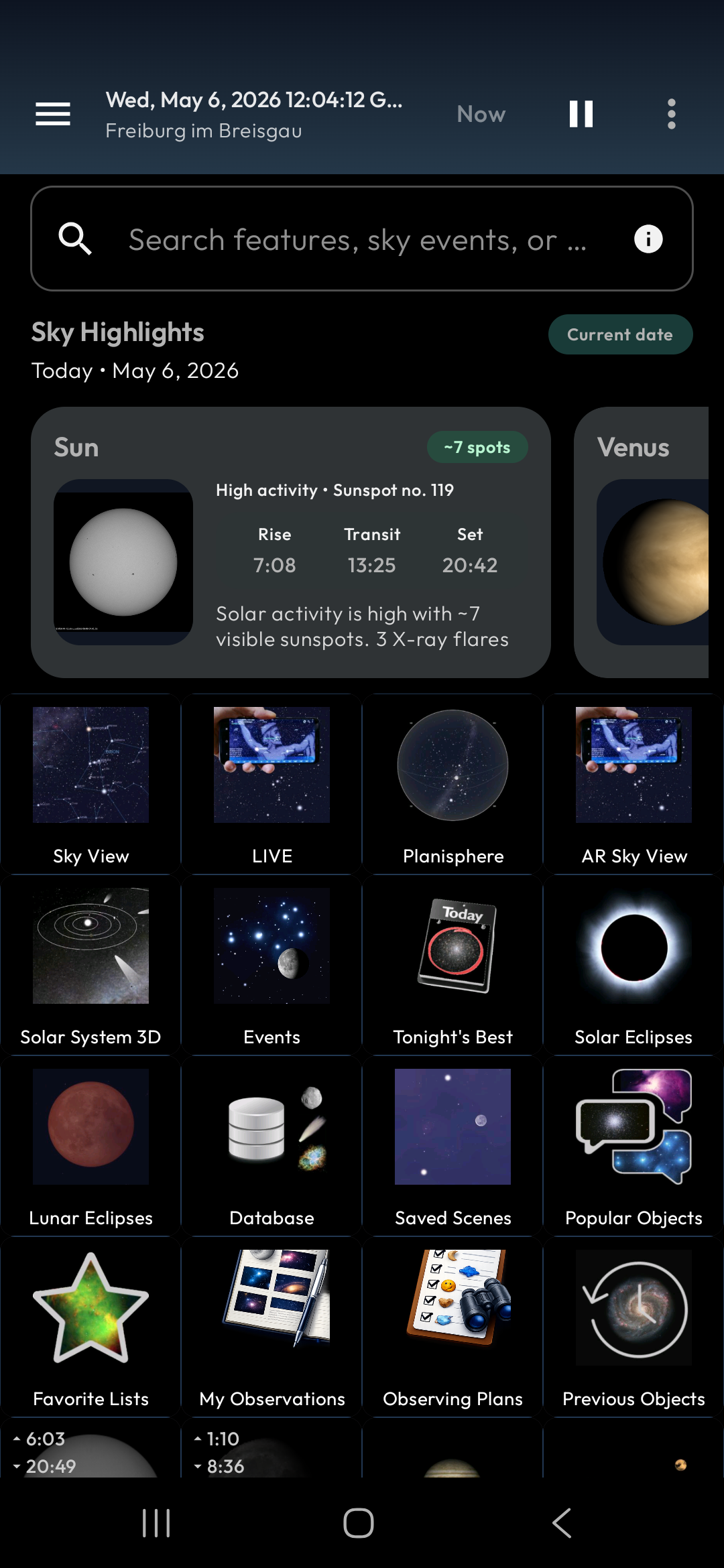
Ready to Explore the Night Sky?

Download the recommended app for new users. Premium can be unlocked later inside the app.

Recommended Version Get Mobile Observatory
Classic Paid Edition Get Mobile Observatory Pro